fat
Waterfall
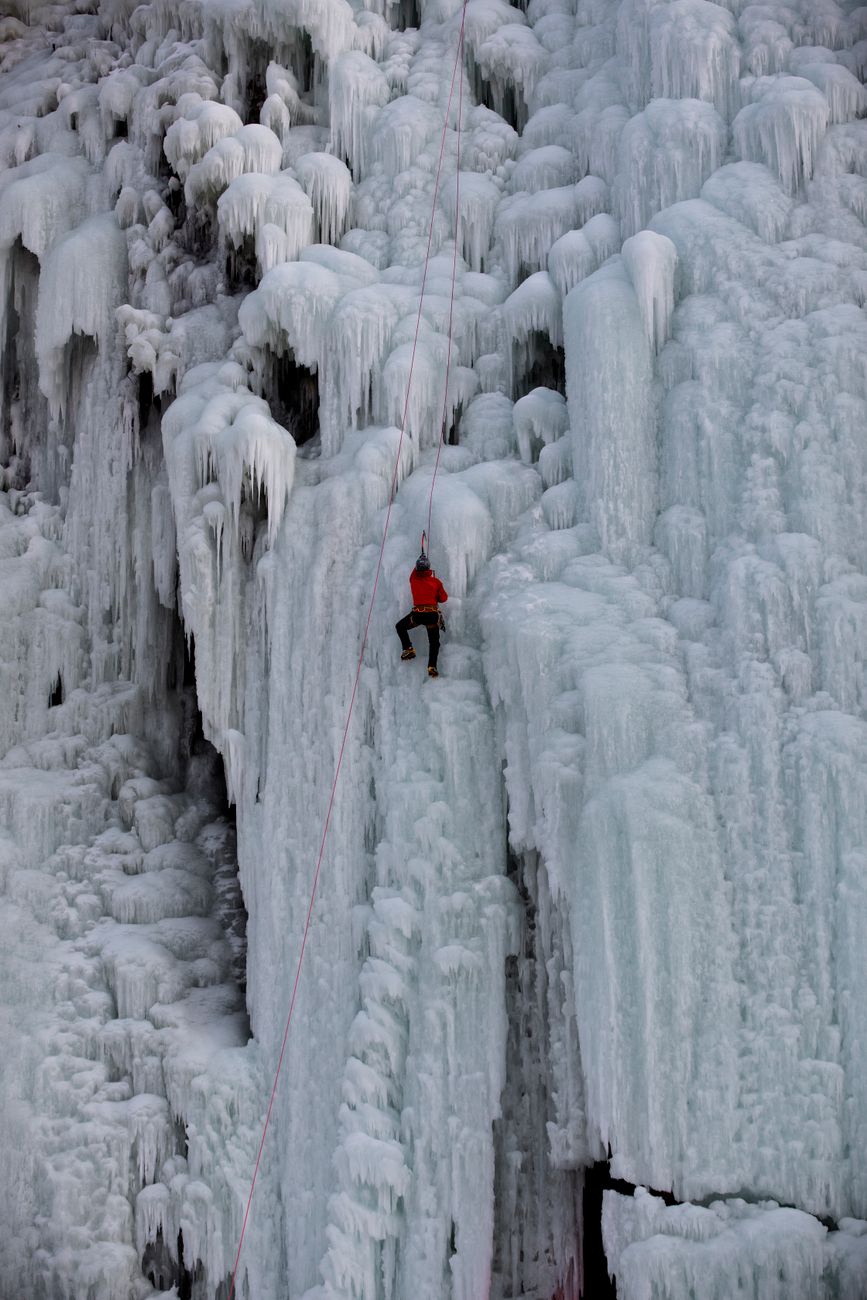
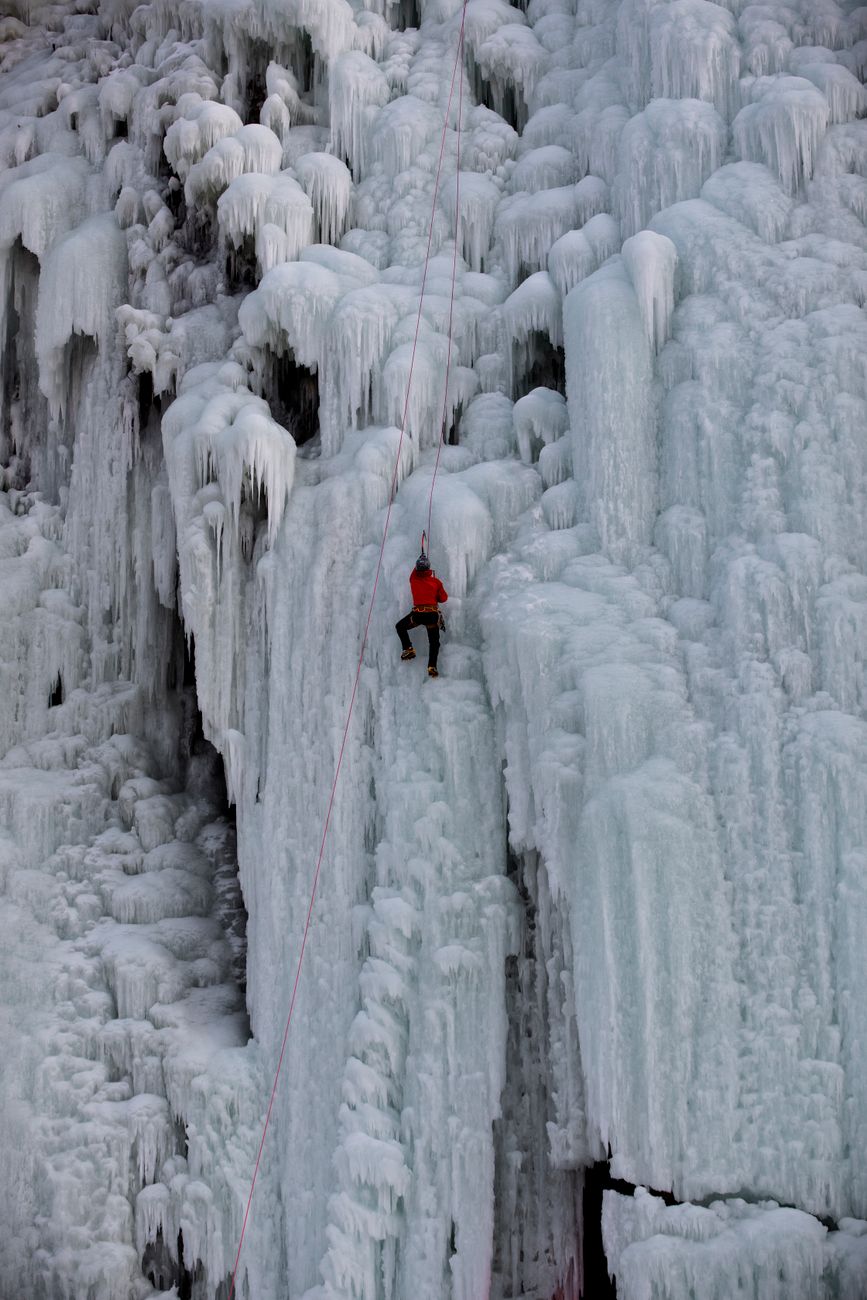
A frozen column at full plastic — the reason you own tools.
WI5
A winter alpine community for ice climbers — live ice conditions, route beta, training plans, and the safety knowledge that keeps you coming home.
Three steps, one frozen season.
Check the board before you leave — conditions, avalanche level, and what the locals climbed yesterday.
Gear the route, not the rumor. Tools, screws, rope, and a plan for getting down before dark.
Swing, stick, move. The route is the reward, the quiet is the point.
Live conditions from the crags, pulled off the people standing under them.
Conditions are crowd-sourced hourly during the season and verified against the weather feed. Climb what the ice says, not what the topos say.
Level 3 is where most accidents happen — not because it's the worst, but because it's the one people trust. Treat "considerable" like a decision, not a suggestion.
Everything on your harness, nothing more.
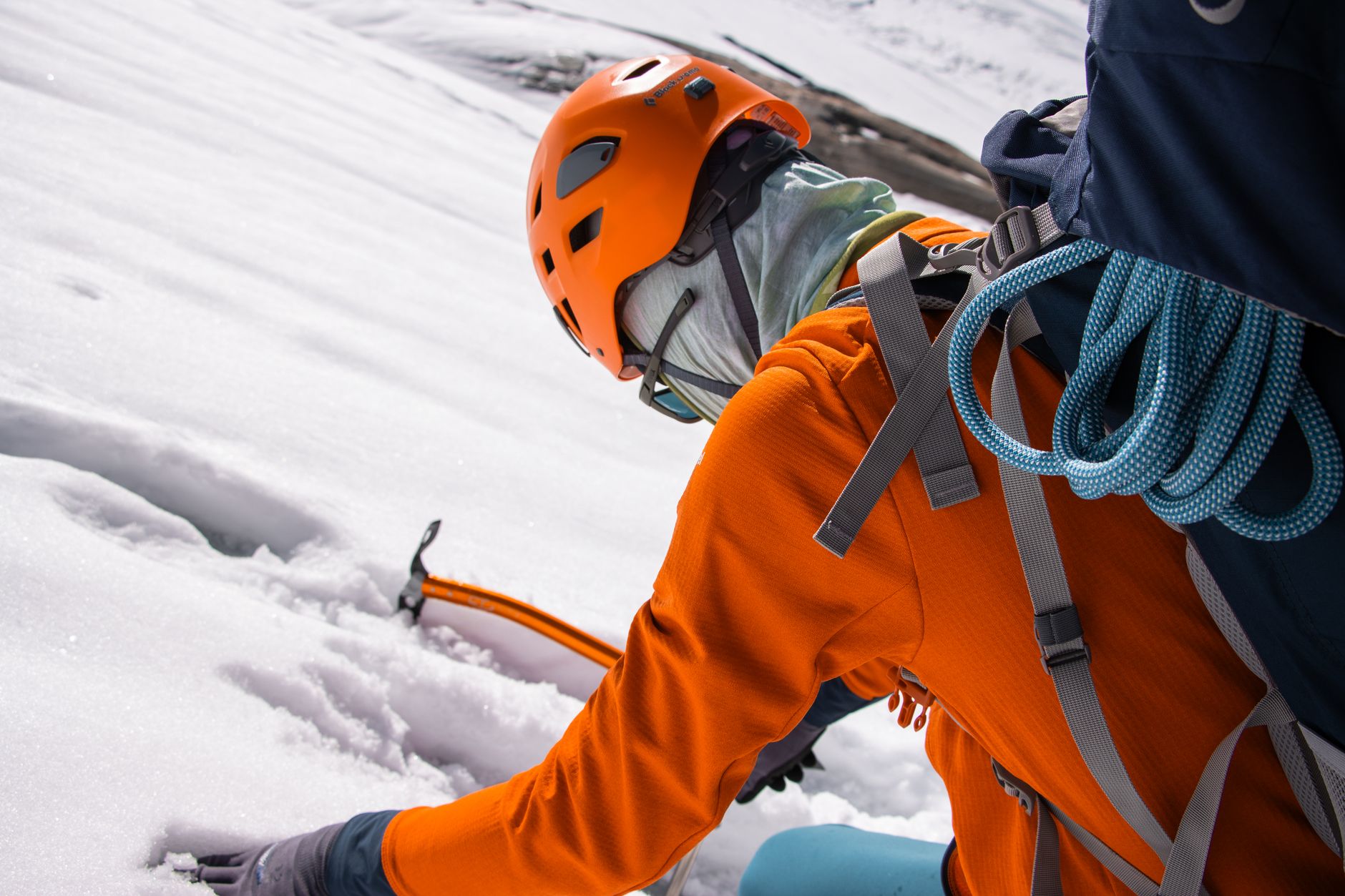
Matched tools, sharp picks, leash or no-leash dialed.
Monopoints for vertical ice, front points sharp.
At least 8–10, mixed lengths, racks clean.
A dry-treated single or half ropes for alpine.
Ice falls down. Always.
A tube or assisted device, three locking carabiners.
Stiff-soled, crampon-compatible, warm and dry.
For glacier and avalanche terrain — practiced, not just carried.
Every gram you carry is a swing you don't get back. Strip the rack to what the route actually needs, and you'll climb faster, place better, and get down before the sun wrecks the ice.
Built by climbers, for the quiet season.
Crowd-sourced conditions from the crags, verified against weather and refreshed hourly.
Topos, ticks and the iconic lines — every crag's history in one place.
Swing technique, endurance and dry-tool programs that carry into the season.
Avalanche, crevasse and anchor guides written by people who've needed them.
Ticks, trip reports and partners — the crew that meets you at the crag.
Ouray to Rjukan, Chamonix to Hokkaido — one board, every ice world.
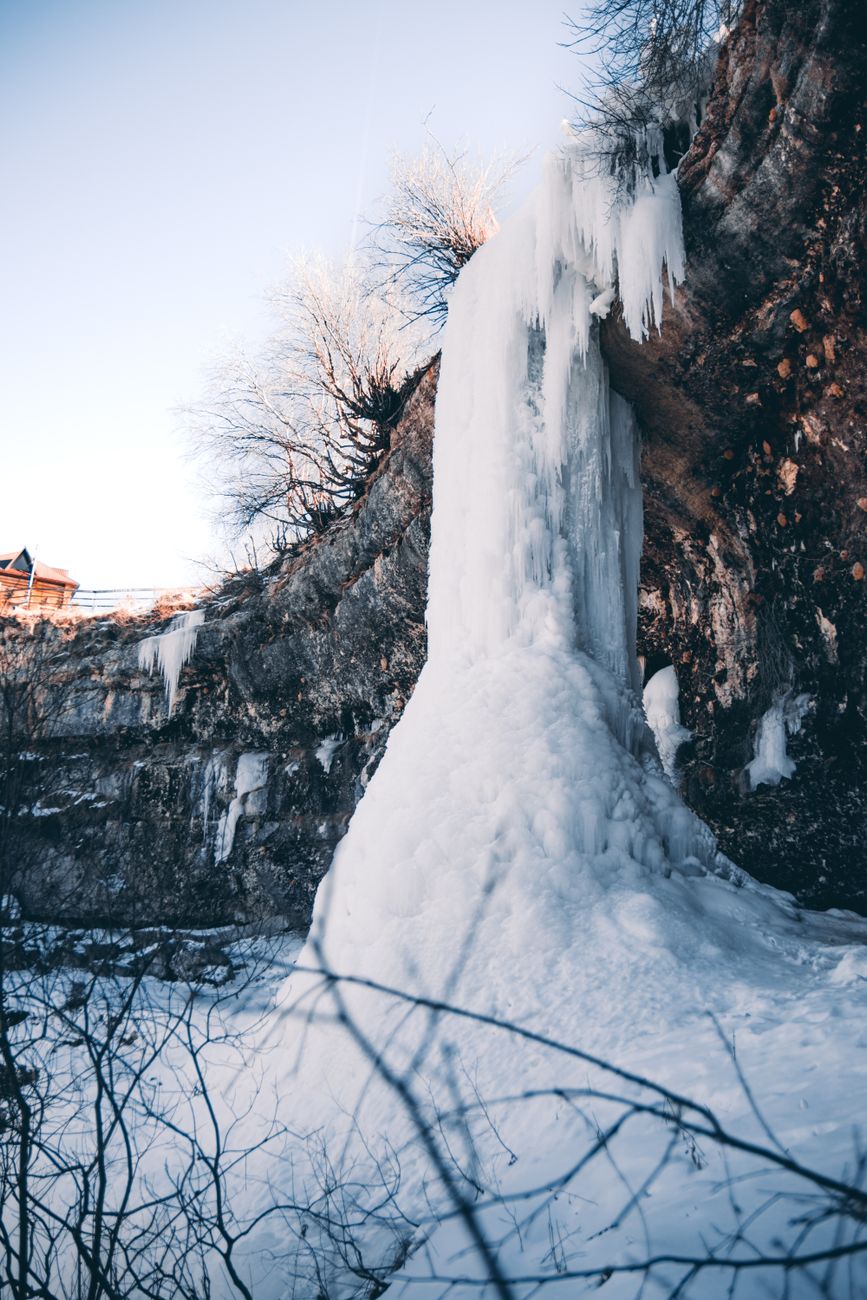
Shot where it actually forms.
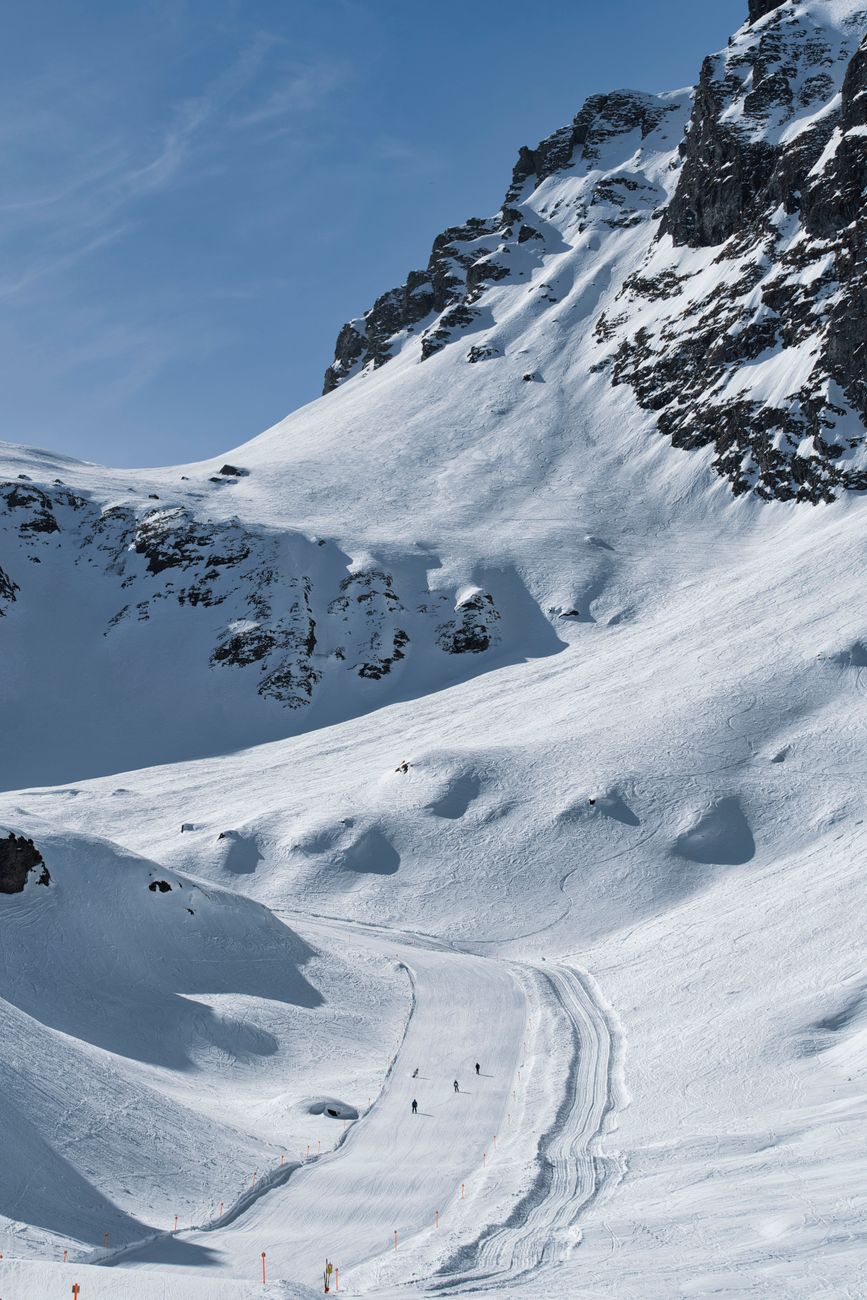
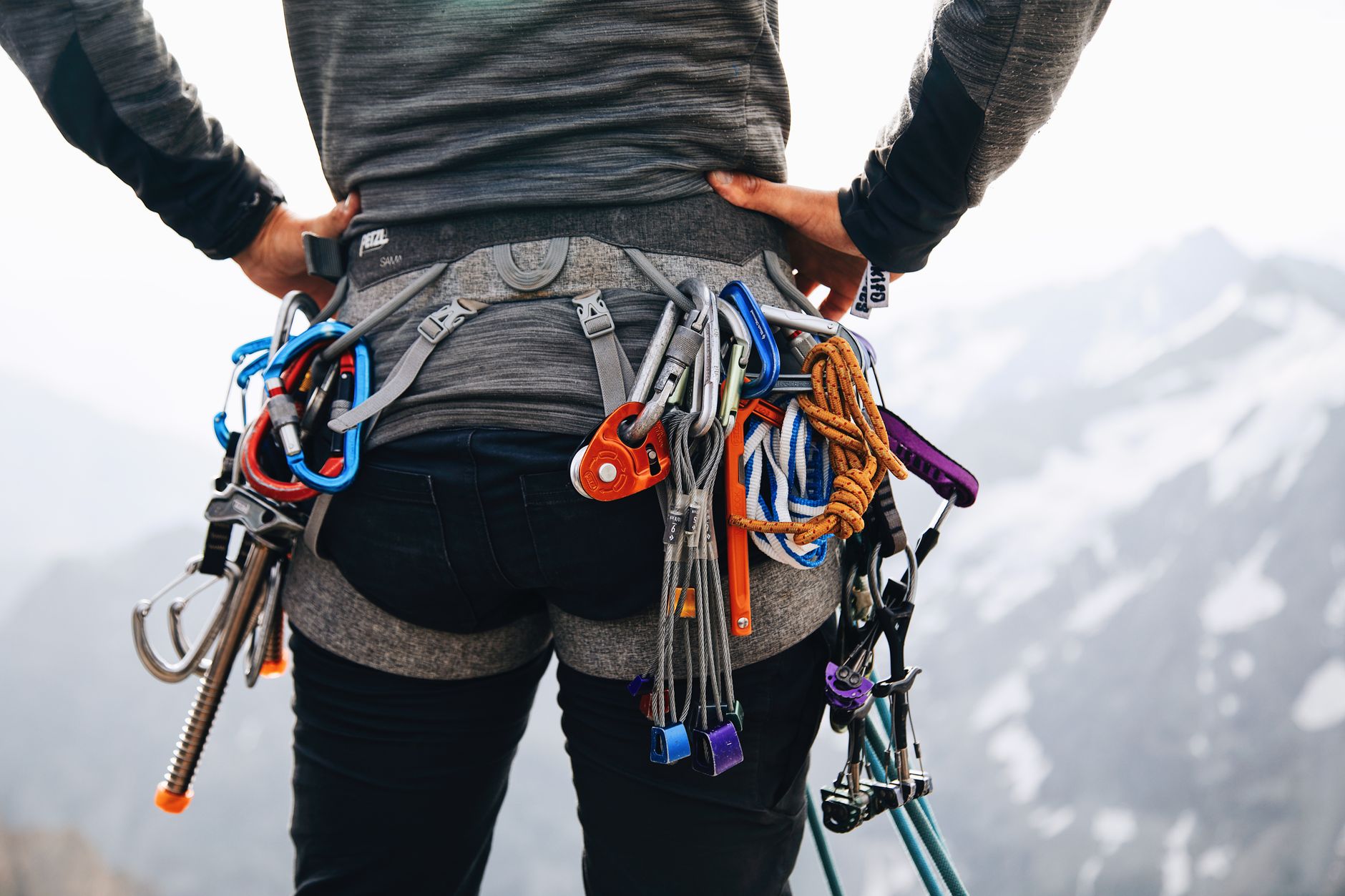
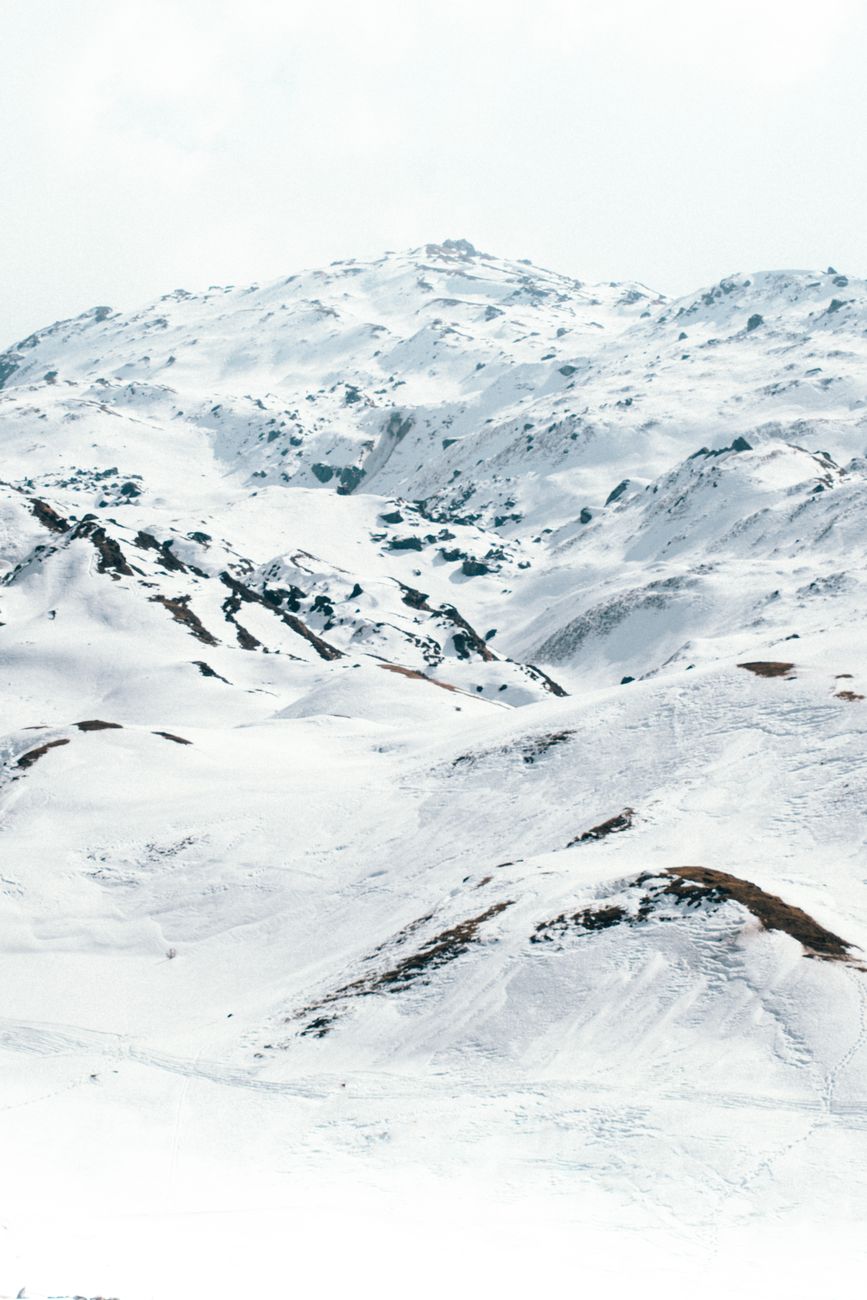
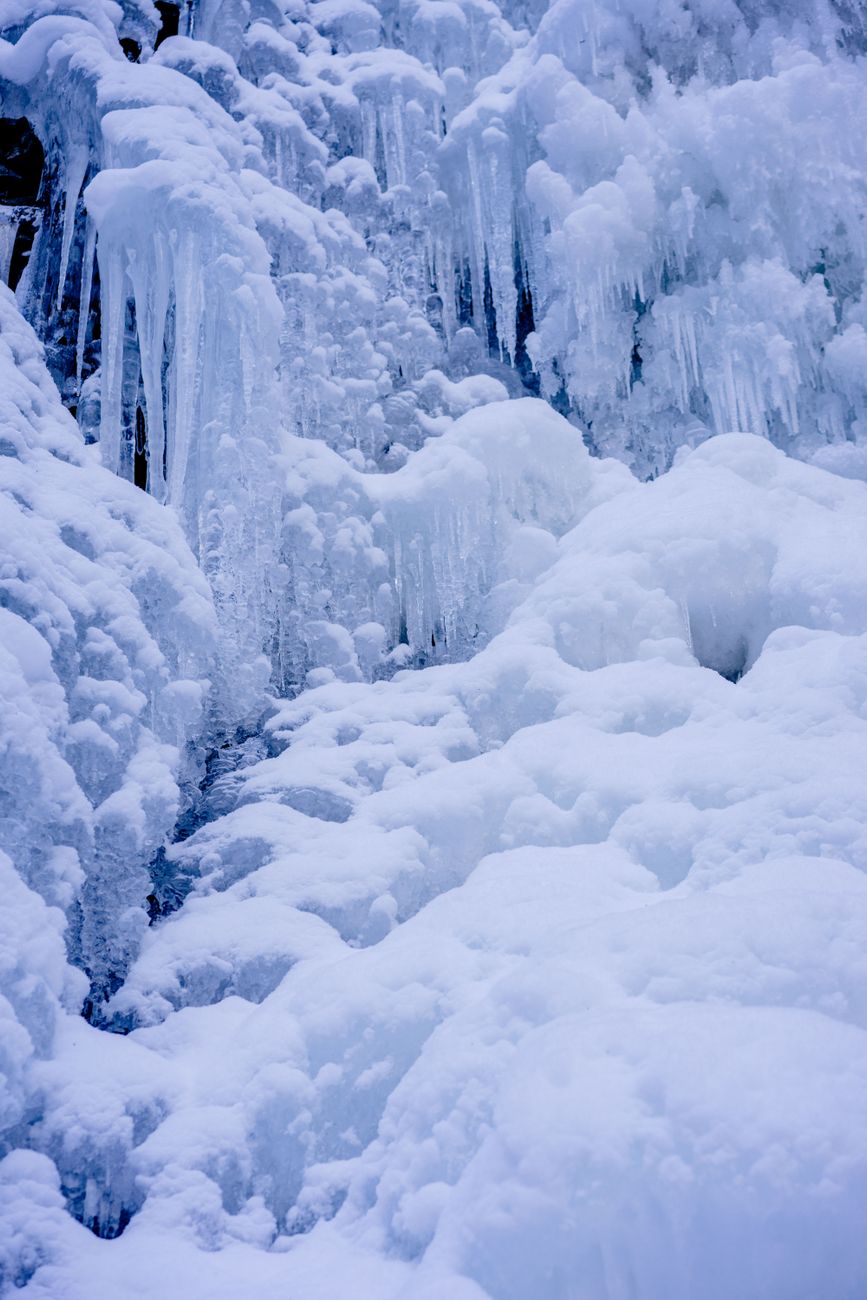
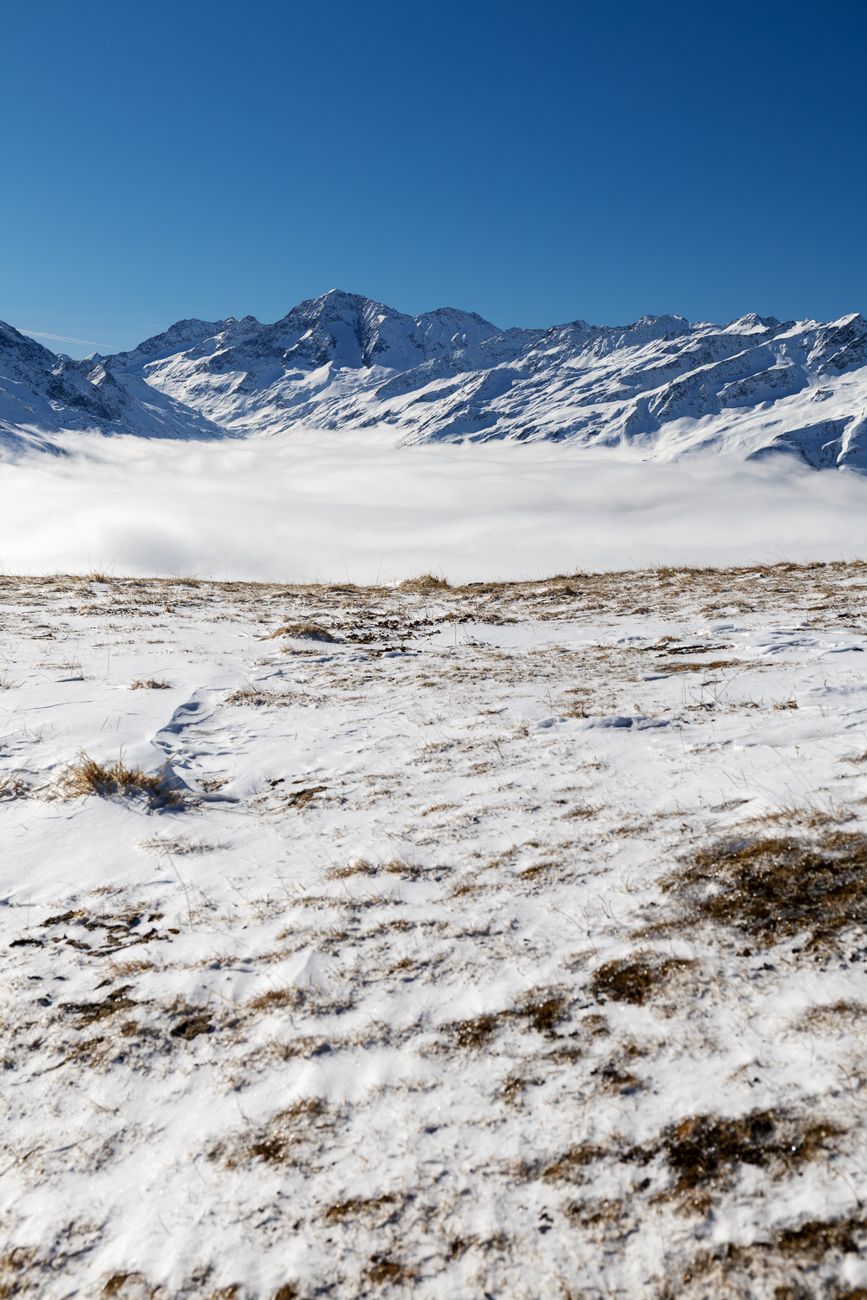
One tool, one frame at a time.
The routes that define a season.
A frozen column at full plastic — the reason you own tools.
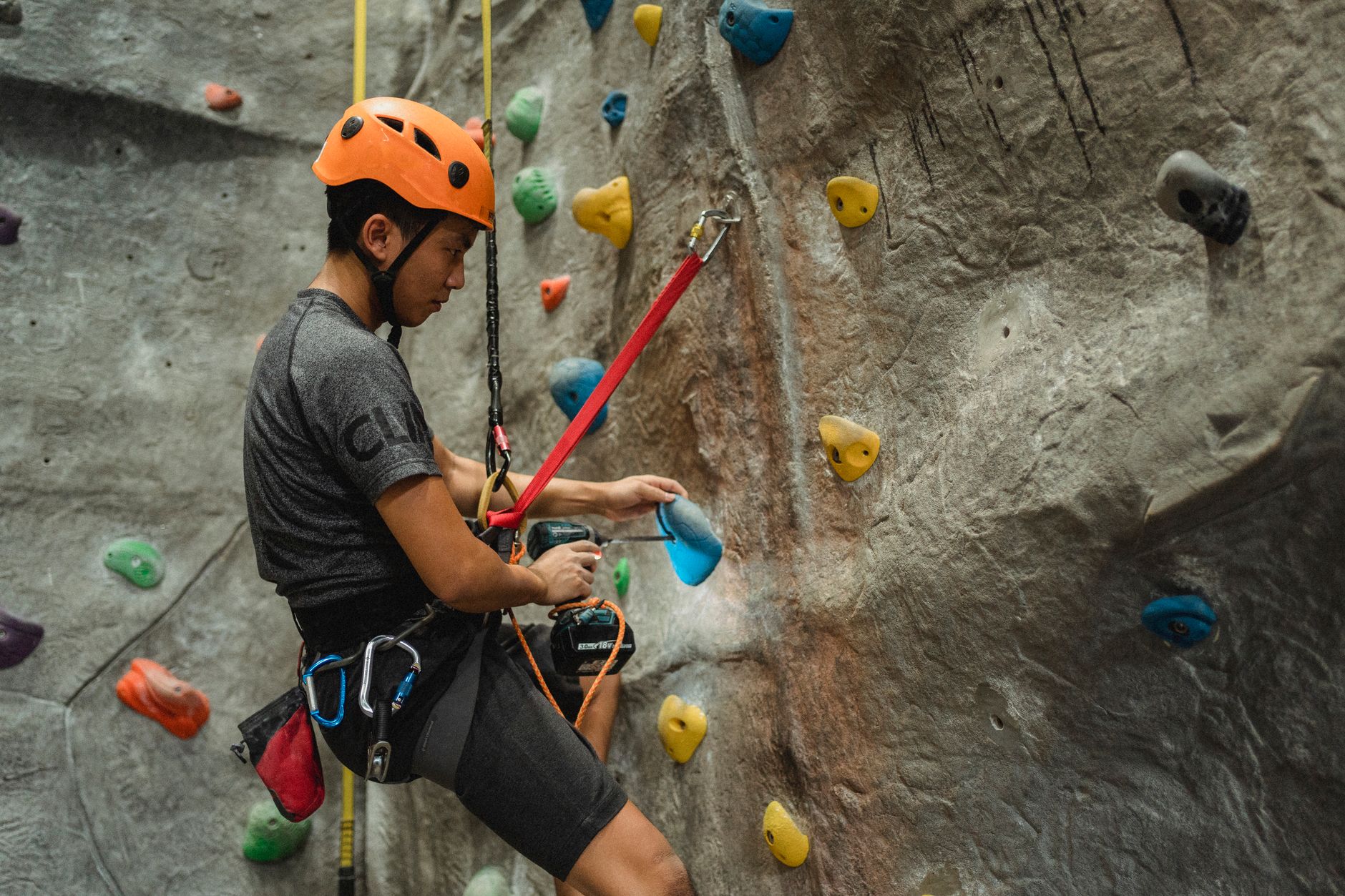
Tools on rock, feet on nothing, arms on fire.
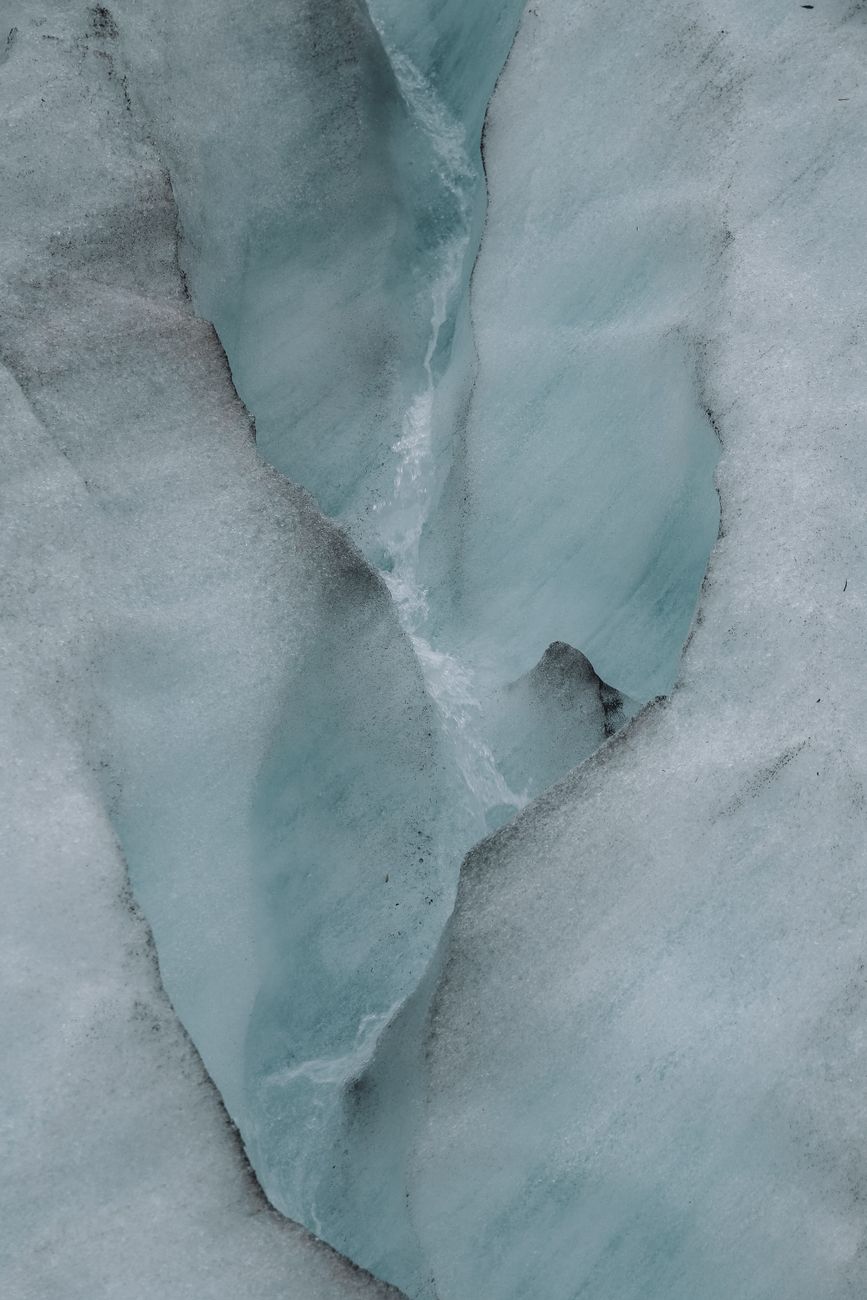
Roped up and crossing the blue, listening for what's underneath.
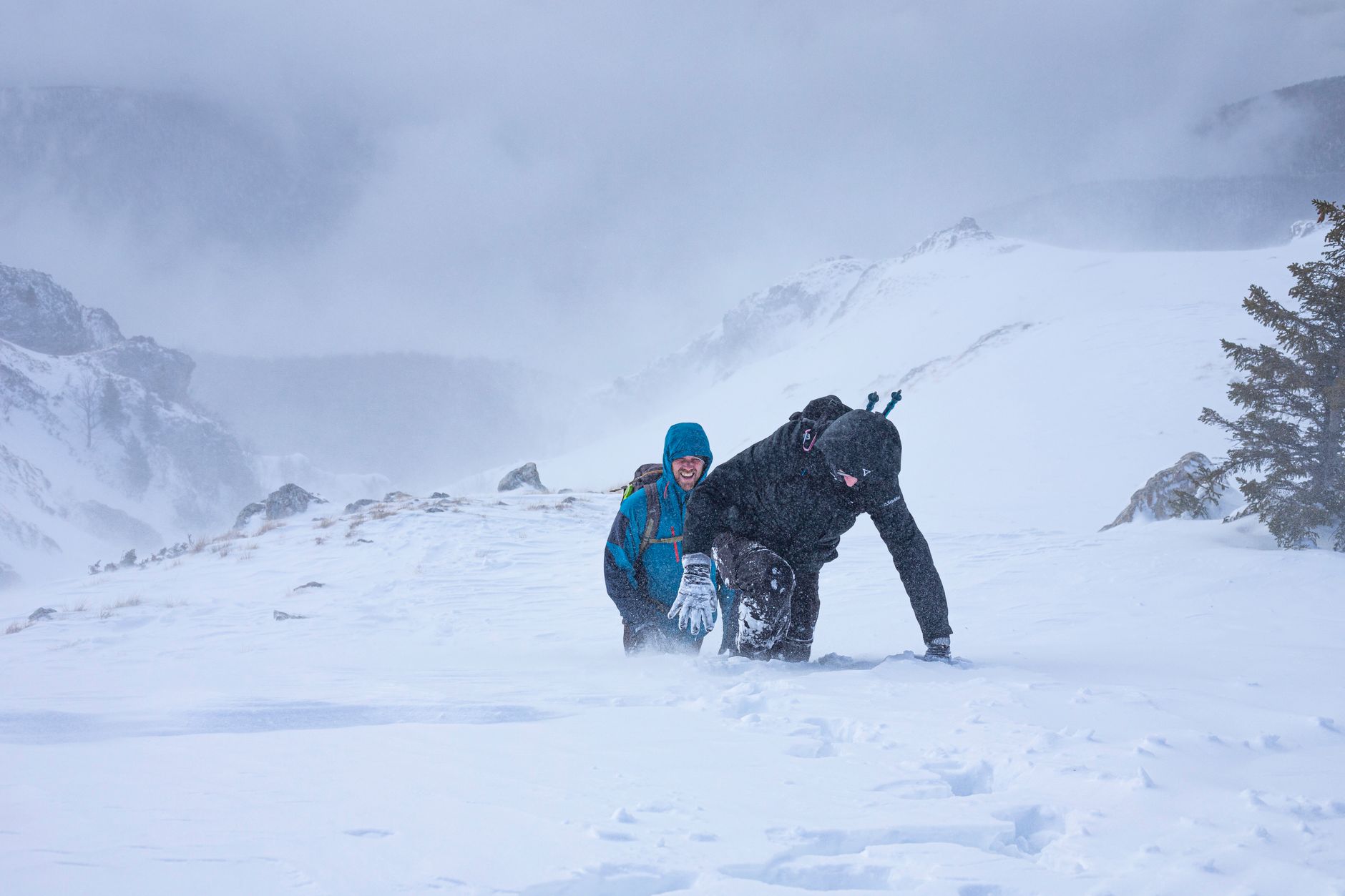
The snow that ends the day early — and the coffee after.
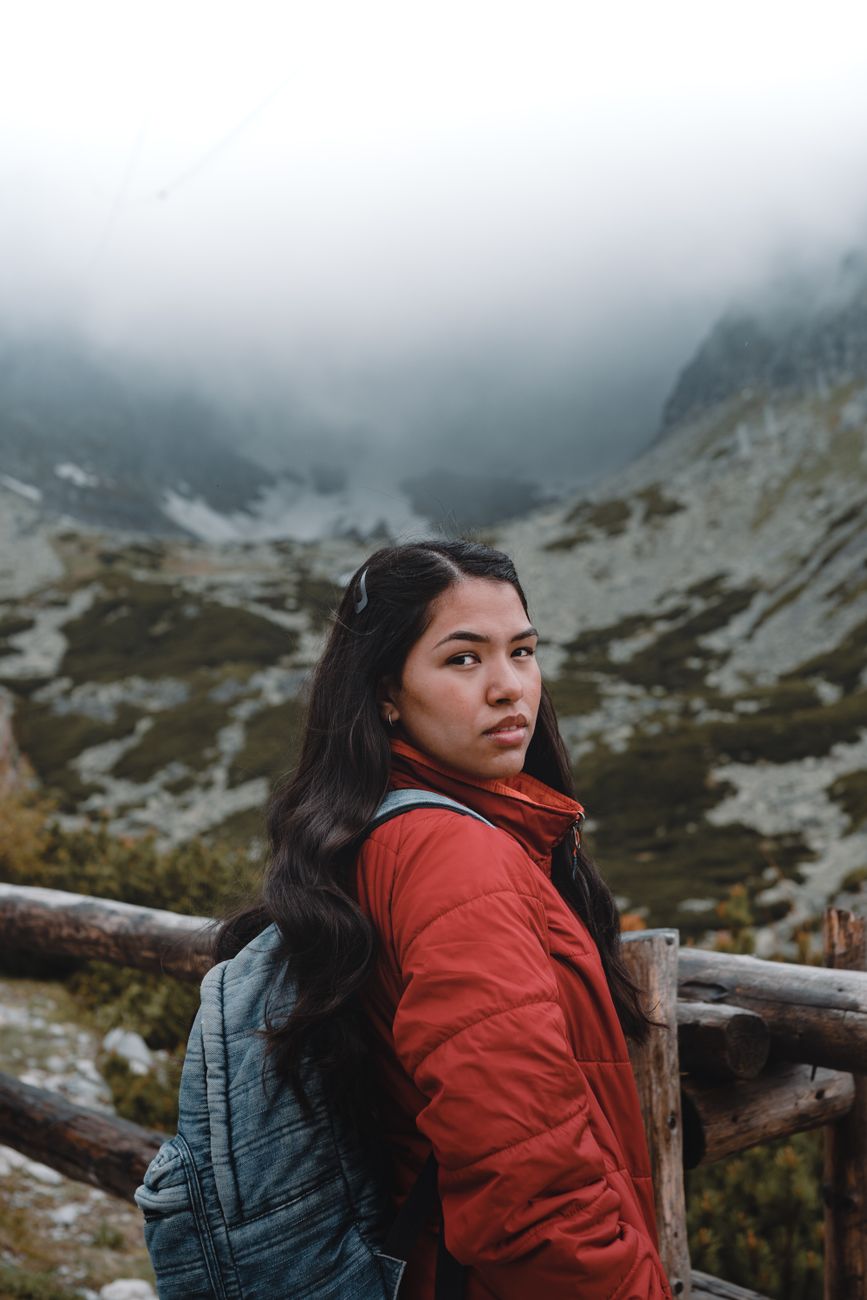
My first season was in Rjukan, Norway — a valley that stays in shadow for months, where the waterfalls freeze solid and the sound of a good swing echoes off the walls. I was terrified. I was also hooked.
What the old-timers taught me wasn't technique. It was attention. The ice tells you everything — whether it's bonded or delaminating, fat or brittle — if you slow down enough to hear it. Climbing became a kind of listening.
Frost exists for that. Not to sell you gear or badges, but to give you the one thing a day on ice needs: good information, honestly shared, so you can climb the quiet instead of the noise.
Live, from our backend.
People who climbed the quiet.
"The board said the falls were in, so I drove six hours and got the best WI5 of my life. This is the only app that tells you before you leave."
"I finally understand avalanche terrain after their guides. That's the part that keeps you alive — and it's free."
"Ouray, Rjukan, Chamonix — all on one board, updated by people who were actually there that morning."
Where we're going.
Ice board + conditions feed, live for the northern season.
Partner matching and trip reports — find your rope team.
Route topos, hand-drawn and crowd-corrected.
Off-season dry-tool training programs and camps.
climb the quiet.